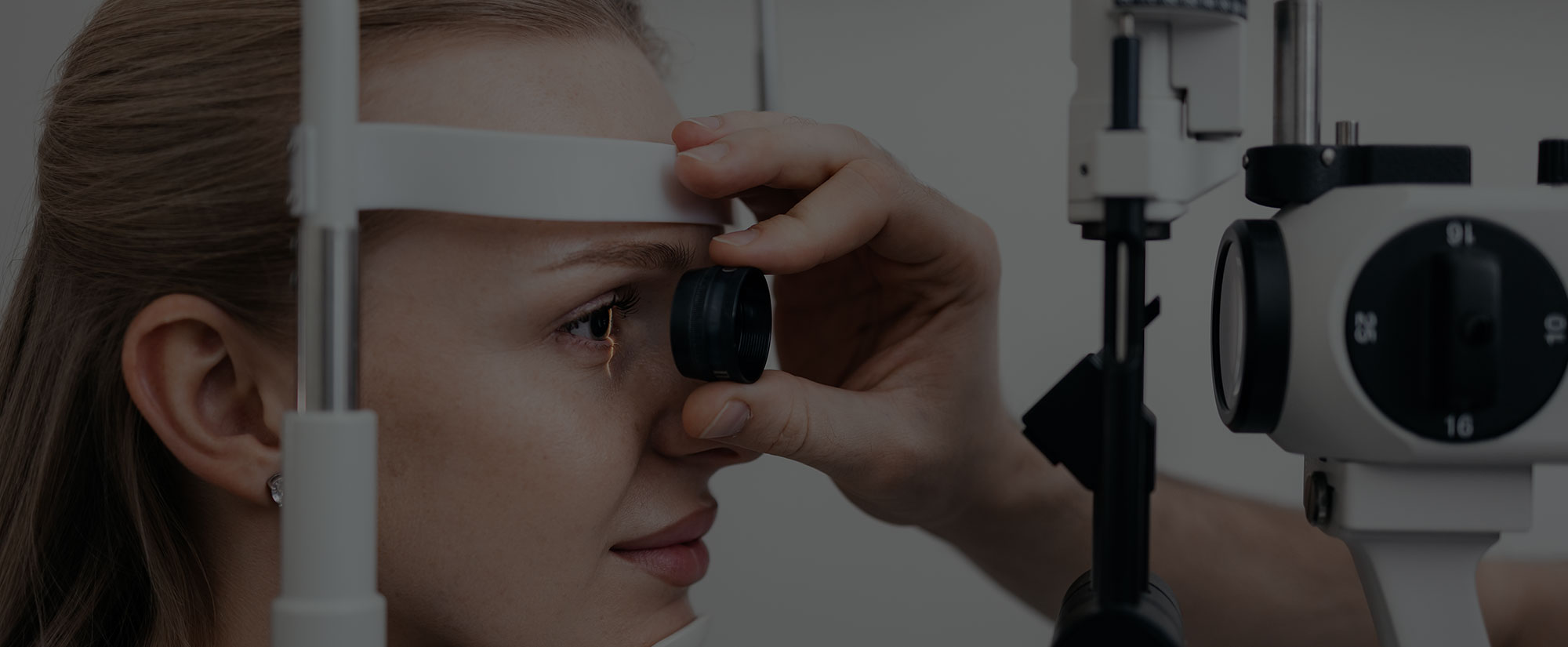
Diabetic Eye Exams
If you have diabetes, you already have plenty of appointments on the calendar. This is one worth keeping. Diabetes can damage the tiny blood vessels in the back of your eye for years before you notice any change in your vision, and a yearly diabetic eye exam is how we catch it while it’s still very treatable.
Why every year, even when you see fine
Diabetic retinopathy is the leading cause of vision loss in working-age adults, and its most dangerous feature is that it usually has no early symptoms. Your retina is very good at keeping secrets. By the time your vision blurs, real damage may already be underway. So we don’t wait for symptoms. We go looking.
The single most useful thing you can do is come in once a year, including the years your eyes feel perfectly fine.
What we check
- A dilated retinal exam. Dilating your pupils gives us a wide, clear view of the retina and its blood vessels, where we look for leaks, swelling and abnormal new vessels.
- OCT retinal imaging. OCT captures detailed cross-sections of the retina, so we can spot subtle swelling and track small changes from one year to the next.
- Retinal photography. Our Topcon fundus camera, a type approved for diabetic eye screening, takes true-color photos of the retina. Those photos become your baseline, and we compare against them every year.
The images appear on a screen in the exam room, so you can see what we see instead of taking our word for it. More about our equipment.
What we’re looking for
In the early stage of diabetic retinopathy, blood vessels in the retina leak blood and fluid, which can cause swelling called macular edema. In the later stage, fragile new vessels grow into the gel that fills the eye, and if they bleed, vision can drop quickly. Diabetes also raises the risk of glaucoma, so we check for that too. You can read more in the diabetic retinopathy section of our eye conditions guide.
If we find something
When diabetic eye disease is caught early, treatment works very well at preserving vision. Laser treatment and medicine injected into the eye have both been effective at reducing vision loss. If you need that kind of care, we’ll refer you to a retinal specialist, explain why before you leave, and keep watching your eyes here between visits.
Tight blood sugar control also lowers the risk of retinopathy, which is one more reason your eyes and your A1C are on the same team.
We work with your other doctors
Your eye health and your diabetes care are connected, so we can coordinate with your primary care doctor or endocrinologist. Bring their names to your appointment and let us know who should hear about your results.
Before your visit
- Bring sunglasses. Dilation drops take 20 to 30 minutes to work and leave your eyes light-sensitive and blurry for several hours.
- Bring your insurance cards, both vision and medical.
- Set aside about an hour.
Not sure which insurance applies to a diabetic eye exam? Call and we’ll help you sort it out, or see our insurance page.
Frequently asked questions
How often should someone with diabetes have an eye exam?
Once a year, including the years your eyes feel perfectly fine.
Do I need a diabetic eye exam if my vision seems fine?
Yes. Early diabetic retinopathy usually causes no symptoms at all, so a yearly dilated exam is the only reliable way to catch it in time.
Will my eyes be dilated?
Usually, yes. Dilation gives us a clear view of the retina. The drops take 20 to 30 minutes to work and leave your eyes light-sensitive and blurry for several hours, so bring sunglasses.
Can you share results with my other doctors?
Yes. We can coordinate with your primary care doctor or endocrinologist. Bring their names to your appointment.
Book your diabetic eye exam in Myrtle Beach
Call (843) 796-1155 or request a time online. Exams are with Dr. Jason Siegmund or Dr. Cyndi Siegmund-Drenth at 4278 River Oaks Dr in Carolina Forest. For more background, read why diabetic eye exams matter.