Eye Floaters and Flashes: When Should You Worry?
You look at a blue sky or a white wall and there they are: little squiggles, dots or cobwebs drifting across your vision, darting away when you try to look at them directly. Those are floaters, and almost everyone has them. Most of the time they are just annoying. Occasionally they are a warning sign, and knowing the difference matters.
What floaters are
The inside of your eye is filled with a clear gel called the vitreous. As we age, that gel slowly turns more liquid and can form tiny clumps. Those clumps cast shadows on the retina, the light-sensitive layer at the back of the eye, and you see the shadows as floaters. They are more common after 50, in people who are nearsighted, and after eye surgery.
What flashes are
Flashes look like brief streaks or sparks of light, often at the edge of your vision and more noticeable in the dark. They happen when the vitreous tugs on the retina. Sometimes that is part of normal aging. Sometimes it means the retina is tearing.
Call right away if you notice
- A sudden burst of new floaters
- New flashes of light
- A shadow or curtain moving across part of your vision
- A sudden loss of vision
These can signal a retinal tear or detachment, which needs urgent attention to protect your sight. Call us at (843) 796-1155 the same day, and if we are closed, go to the emergency room. Our guide to eye emergencies covers other situations that should not wait.
Living with ordinary floaters
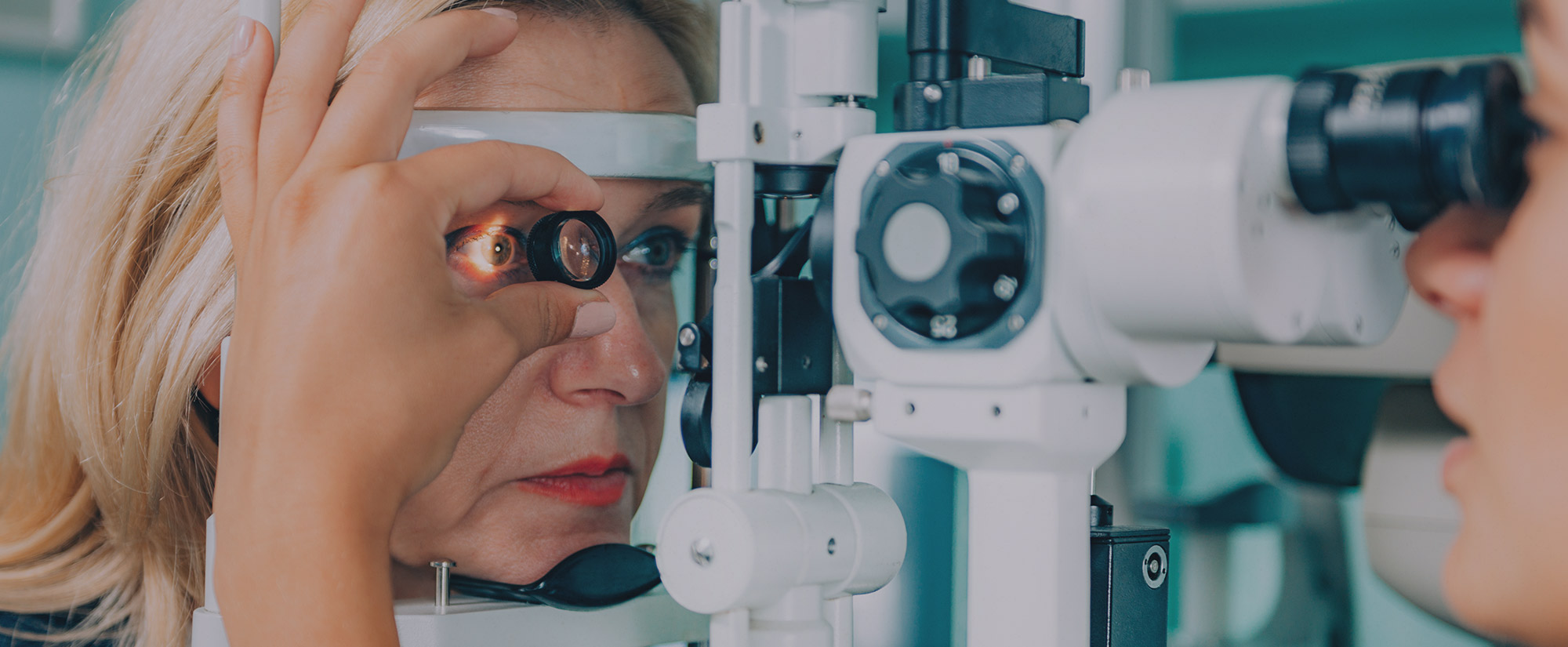
Floaters you have had for a while, that are not changing, are usually harmless. Many fade or become less noticeable as your brain learns to ignore them. Still, any new floater deserves one dilated exam, so a doctor can look at your retina directly and confirm everything is where it should be.
Our office has retinal photography and an OCT retinal camera, so we can take a detailed look at the back of your eye. Book an exam online or ask about same-day appointments if your floaters are new.
Frequently Asked Questions
Are eye floaters normal?
Yes. Most people have some floaters, and they become more common with age. Floaters that have been there a long time and are not changing are usually harmless.
When are floaters an emergency?
A sudden shower of new floaters, new flashes of light, or a shadow or curtain across your vision can mean a retinal tear or detachment. Get seen the same day.
Do eye floaters go away?
Many fade or become less noticeable over time as your brain learns to tune them out, though some stay.
Why do I see flashes of light in the corner of my eye?
Flashes happen when the gel inside the eye pulls on the retina. It can be part of normal aging, but new flashes should be checked promptly to rule out a retinal tear.